
Knowledge architecture for AI discovery: where information science, systems, and evidence converge.
Historically, knowledge lived only in human heads, because humans fill in implicit context automatically: we know Waterloo is a municipality, titanium is a metal, damage is undesirable. A computer knows none of this unless it is stated. Moving from a web of documents (HTML written for human eyes) to a web of data (claims written for machine processing) means translating human knowledge into a form a machine can evaluate deterministically.
At Huckleberry Way, we make business authority, expertise and credentials legible and verifiable to machines with deterministic precision, and we keep it governed, growing, and always synchronized and broadcasting.
Today's agentic AI systems are creating a second economic tier, and AI answer engines are creating a second web of data. They both stand firmly on a century of library and information science. Authority control, classification, citation analysis, multidimensional indexing, federated search and open standards like RDF and Z39.50 were all built for libraries and research before they were adapted to Google's Pagerank, knowledge graphs, or the MCP (model context protocol). The principles have only become more relevant.
As information science professionals we know how to express your brand into a machine readable knowledge graph: structured entities, relationships, identifiers, and proof.
As software systems professionals, we know the importance of building on open standards, the power of systems integration and interoperability, and the value of delivering data portability and data sovereignty.
There is one right form for a story, and if you fail to find that form, the story will not tell itself.
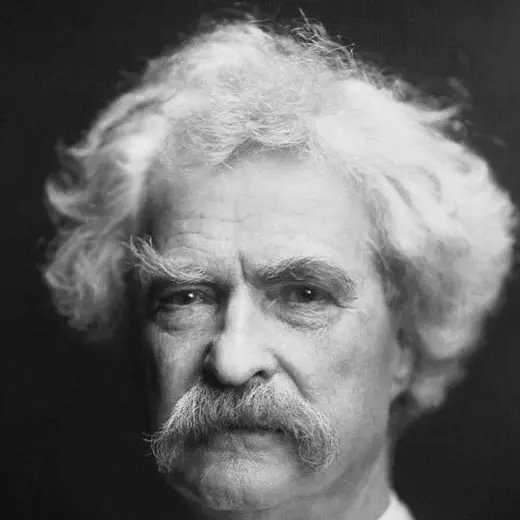 Mark Twain

Founder & Chief Strategist
Information science and enterprise systems
MLIS training in how authority is computed, a decade leading clinical imaging at Agfa Healthcare and global BI at SAP BusinessObjects, and a decade turning complex expertise into citable proof under Huckleberry Films.

Chief Information Scientist
Authority control and search validation
A Highly Cited Researcher whose standards are used worldwide, including the PRESS Guideline for systematic review search strategies. Her discipline is what makes every entity and citation we declare defensible.
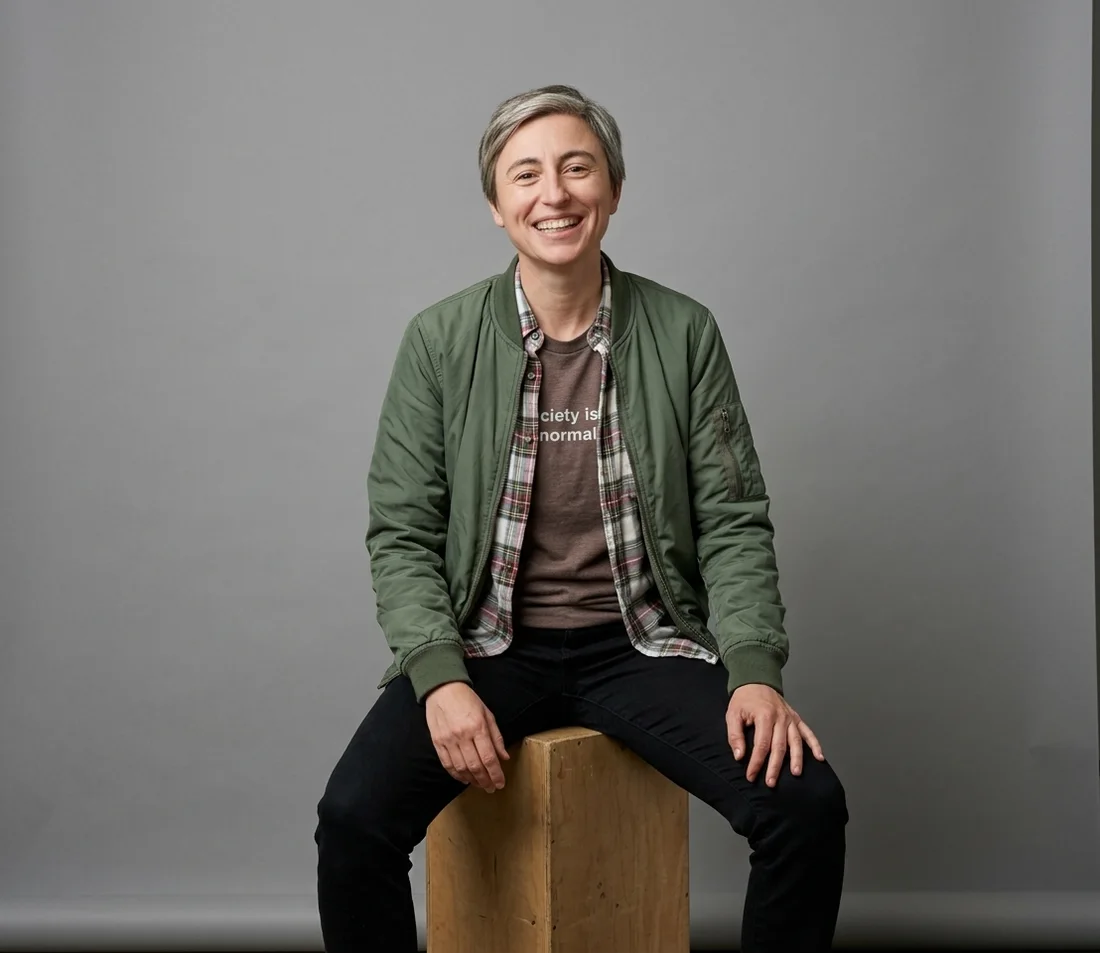
Head of Studio
Studio craft and semantic clarity
Kate leads design, build, and production, turning verified models into interfaces people and machines both read cleanly, from interactive training for Toyota to award-winning enterprise creative.
One models the knowledge. One proves the science holds. One builds what you see. Together, they make your business the answer AI can stand behind.

Proof that AI systems can cite and procurement systems can verify
We install systems that compound. Every proof point strengthens the whole architecture. Every verified relationship makes your position harder to match. Tactics expire. Infrastructure appreciates.
A Google Business Profile without matching website schema is half a bridge. We connect both sides from the first engagement so AI can verify what your profile claims against your website.
Your entity should exist across multiple knowledge systems, not depend on one platform. We install verified presence across Google, Apple, and OpenStreetMap by default. Jurisdictional resilience: critical for businesses operating across borders.
AI systems need evidence they can cite. We create documented proof: case studies with named results, structured with schema, connected to your entity model. This is evidence, not marketing claims.



Huckleberry Way grew out of Huckleberry Films, a creative house that turned complex business expertise for top brands into enterprise case studies, brand systems, immersive AR and interactive experiences.